
Learning in Motion: What We Brought Home From 675 Miles Across Texas
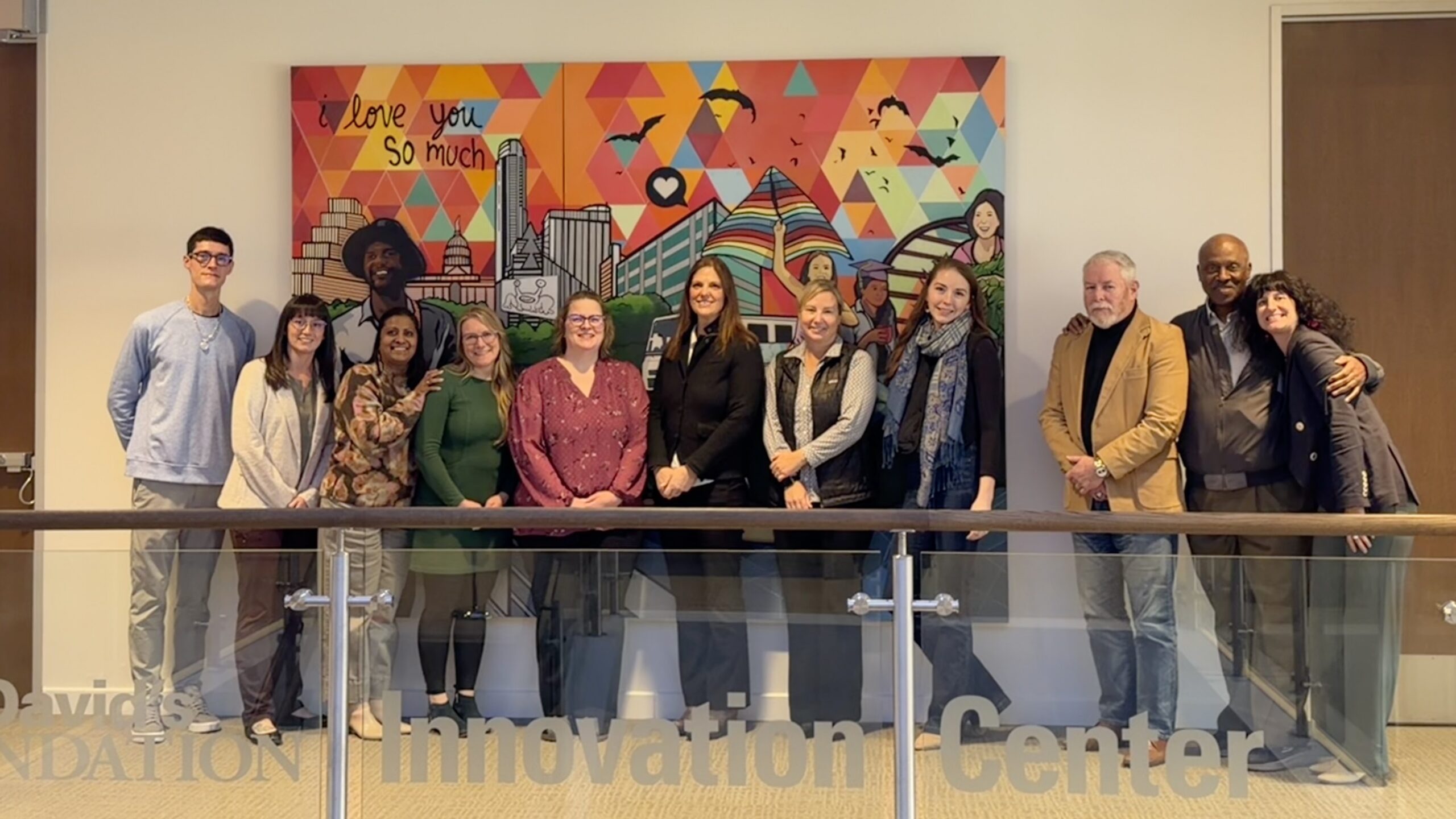
Earlier this year, a team of Mat-Su Health Foundation staff and board members traveled more than 675 miles across Texas, visiting organizations in Austin, San Antonio, McAllen, and Houston. Over the course of several days, they met with nine different groups—three peer health foundations and six community‑based organizations—each offering a unique perspective on what it takes to support health across large, diverse regions.
Although the landscapes and views are different, many of the challenges feel familiar.
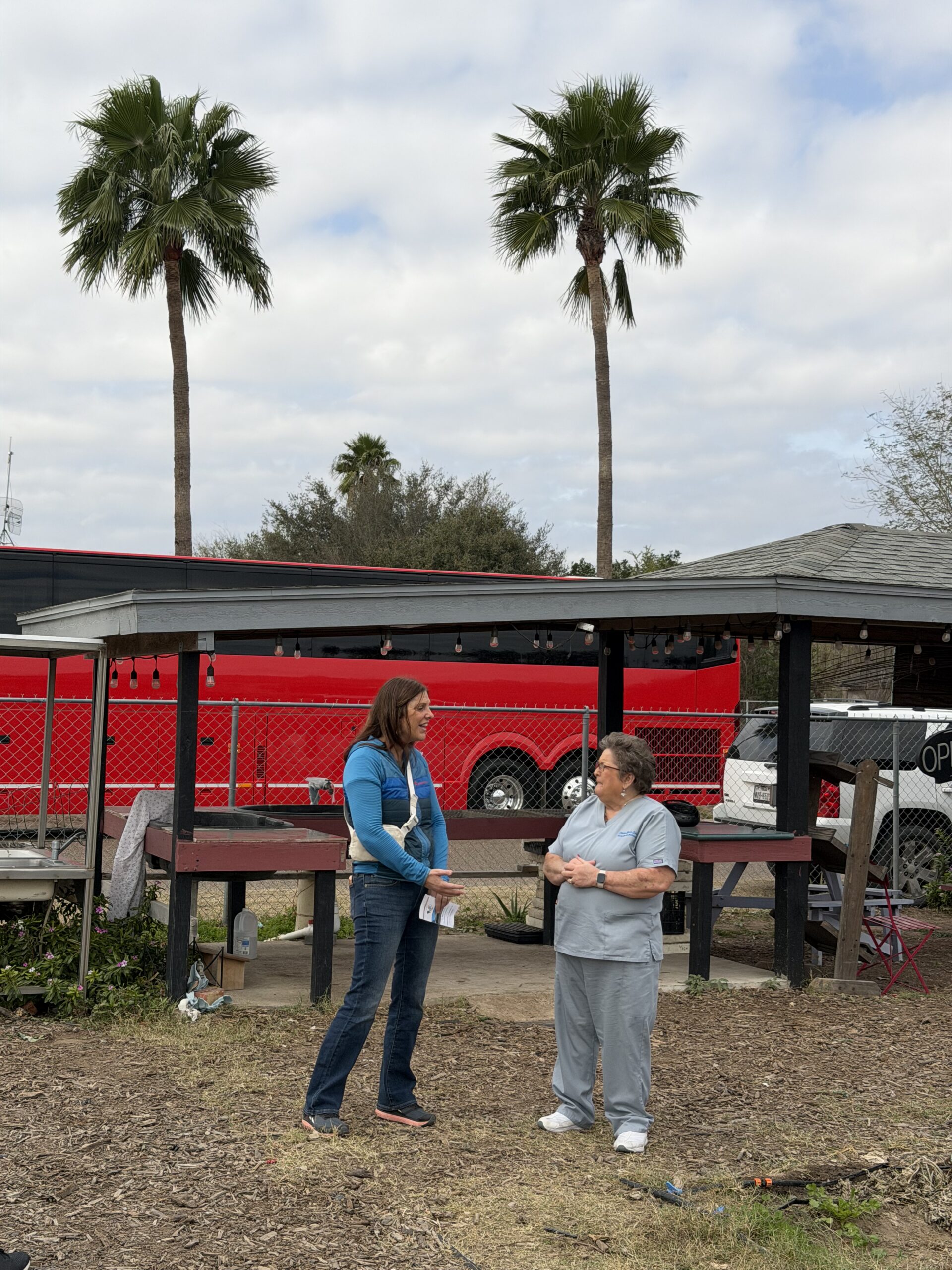 Central Texas has a great deal in common with the Mat-Su: large rural service areas, communities spread across wide geographies, and the need for systems that meet people where they are.
This visit provided an opportunity to learn how others are engaging community voice, investing in economic mobility as a core health driver, and shifting systems toward long-term, generational change.
A Clear Purpose from the Start
“This was not a trip to compare ourselves to others, nor to seek prescriptive answers. Rather, it was an opportunity to listen deeply, ask thoughtful questions, and reflect on what resonates and challenges us here at Mat-Su Health Foundation,” said Esther Pitts, President and CEO, Mat-Su Health Foundation.
“The insights we gathered will help inform our collective thinking as we look ahead to the future and the work we do.”
This spirit of curiosity guided board members and staff through every visit. By traveling together, board and staff were able to hear directly from peer foundations that have restructured their strategies, deepened community engagement, and embraced upstream investments with patience and clarity.
Why Texas Made Sense
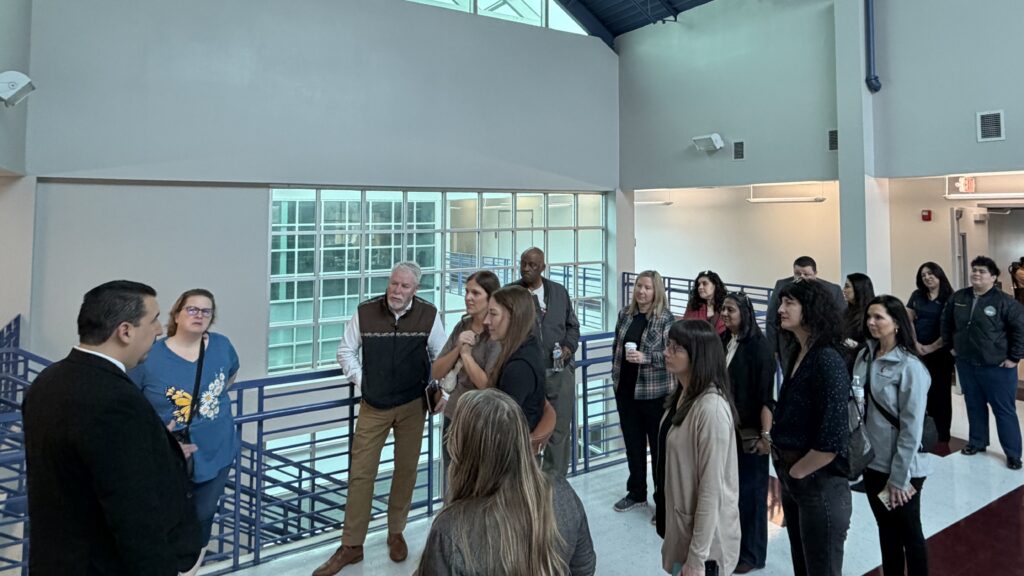 Texas offered a window into what it looks like when foundations pair local knowledge with long-term strategy. Many of the organizations visited have spent years shifting power toward communities, moving away from transactional funding models, and focusing on systems rather than individual programs.
For the Mat-Su Health Foundation team, it was encouraging (and at times challenging) to see how other regions are approaching the slow, steady, upstream work; work that often goes unseen but leads to lasting change.
Many of the foundations the team met with invest not only in services, but in relationships, shared infrastructure, and the capacity of communities to build solutions from within. The experience raised important questions for the work at MSHF and strengthened the commitment to grounding decisions in community voice.
Learning that Shifts Perspectives

Throughout the trip, participants found themselves reflecting on what it means to create lasting, upstream change in the Mat-Su. The conversations in Texas prompted the group to think more deeply about pace, focus, and how strategy can support long-term community wellbeing.
Board member Hilary Stark noted how the experience connects with the insights emerging from the 2025 Community Health Needs Assessment (CHNA).
“Our time with peer foundations, paired with the recently published CHNA, offered more than information; it offered perspective,” Stark said. “This moment asks for something deeper than adjustment or refinement. It asks for discernment.”
Her reflection underscored themes that surfaced for many on the trip: that health is shaped long before someone enters a clinic; systems change takes patience and clarity; and foundations can play a powerful role by strengthening connections across communities.
Moving Forward with a Deeper Connection
This learning trip wasn’t about immediate solutions. It was about planting the seeds of ideas, questions, and possibilities that will guide the Foundation into the next chapter.
 “This trip really brought to life one of MSHF’s organizational values that I appreciate: respect,” said trip organizer Telsche Overby, Associate Director of Community Engagement. “To me, respect shows up most clearly in our commitment to continuous learning. We’re making sure our decisions are grounded in what’s true and effective, and that we’re checking our thinking with the community along the way. I’m excited about how these insights will carry forward as we continue to lean more into community-driven approaches.”
What the team brought home from Texas was a renewed sense of direction and a deeper commitment to community-guided, upstream work. The organizations visited serve as a reminder that lasting change rarely comes from doing more; it comes from doing the right work, with greater intention, humility, and alignment.
As MSHF looks toward the future, it aims to continue growing into an organization that strengthens systems, invests in the conditions that support wellbeing, and helps build a healthier Mat-Su for generations to come.
Special thank you to Texas Accountable Communities for Health Initiative (TACHI), Go Austin/Vamos Austin (GAVA), St. David’s Foundation, Methodist Healthcare Ministries, Episcopal Health Foundation, and the Houston Economic Growth Collaborative.
Photos courtesy of Jacob Camman, SALT